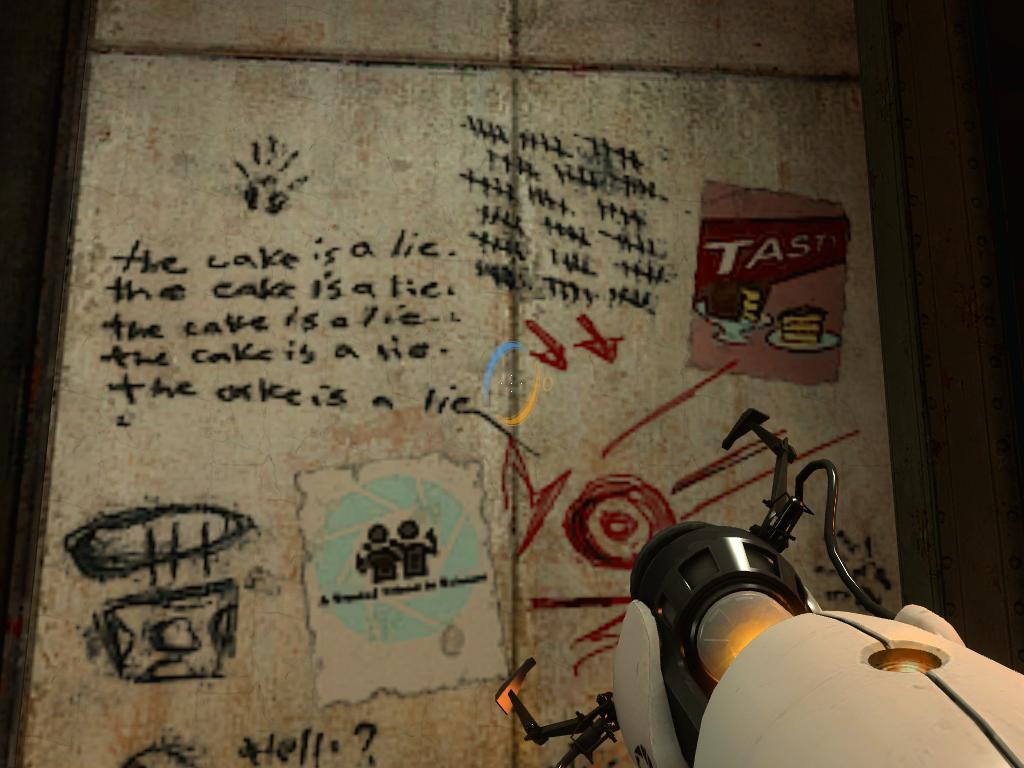
If at first you don’t succeed, you fail.
GLaDOS, Portal
Ardent Remexiteer Theresa May managed to spend the latter half of her illustrious spell as prime minister trying to ram her deal through the Commons like a skipping needle on a strong and stable turntable. Now she’s abandoning ship, the sycophants and navel-gazers are lining up around the block to be the next hero to try to pull the sword from the stone. Unfortunately, with yon parliament rejecting the deal, and selfsame parliament rejecting no deal, the likelihood of the next helmsman managing to successfully navigate this particular brown waterway looks slim. And with the public still split down the middle, even a new referendum would probably only turn back the clock as far as 23rd June 2016.
Meanwhile the EU looks on in amazement as the revolution eats its children. They can wait; it’s Britain that so desperately wants to leave… ish. If only the Conservative Party were thinking with Portals… instead they’re all obsessed with having/eating the cake. (Spoiler alert!)
Since Article 50 is turning into a euphemism for perpetuity, here are seven bloody ways to break the bloody deadlock.
1. Bosworth Field
It’s been far too long since the Glorious Revolution saw that conclusive and permanent defeat of the traitorous papist Tory party [wait, what?]. No doubt some of the current crop remember it well. In the spirit of fair play, it would only seem appropriate to give them another crack at the whip. Rather than assaulting one another with American cowjuice, maybe the hardest of Brexitards and Remoaniacs can meet on the field of battle for a glorious victor-takes-it-all decider. I’ve no doubt traditionalists like Jacobus Moose-Rogg have only been chomping at the bit to saddle up and fly the standard.
2. Partition Party
Cyprus, Israel, Ireland, India – Britain has its fair share of examples around the world for peaceable coexistence between loving neighbours. In fact, British meddling consultancy work was often instrumental in setting up those amicable arrangements in the first place. The next government could have the whole thing unravelled in two shakes of an ear of wheat, and Britain can both have its cake and allow someone else to eat it. We’ve already got a map. Maybe that nice fellow Trump can do us a deal on a wall pretty garden fence in part-exchange for some bits of the NHS in his free trade agreement.
3. Nigel Mandela
Gandhi marched to the sea, Mao slogged it around China, and the Crusaders of Jarrow trudged down to London. If only Farage had listened to The Proclaimers, he might not have flaked on his own little galumph to the capital.
But while marching is one way of showing your staying power, some long walks don’t need you to move anywhere. Instead of drowning the airwaves with their gobshitery flawless political debate, maybe our most impassioned politicians could give their mouths a rest and let their arses do the talking. All we need to do is lock up the loudest Remoaners and Brexiteers for as long as necessary; they can leave at any time, and whoever gives up last, gets to decide the outcome. Maybe while they’re in there the rest of parliament might be able to get some actual work done, and the rest of us can enjoy some semblance of normalcy. Well, at least for one morning… given his track record, Farage would be out by noon!
4. Toss a Coin
When things get too close to call, sometimes there’s no better way to prevent a logjam than call on the wisdom of chance. The London Eye would only need a quick lick of paint to make a wonderful symbol, dismounted and rolled into Trafalgar Square to decide the nation’s fate. The mother of parliaments can vomit its members onto the square to form the biggest assembly of tossers the planet has ever seen, while the nation watches the televisualised event as their alderpeople reinvent the time-honoured tradition of casting lots.
After all, more important things have been decided on the flip of a coin before now.
5. Neverendum
It’s been over four hundred years since Britain added something worthwhile to the national calendar, and what better way to commemorate buffoonery and intolerance than through an annual celebration. Every 23rd June should henceforth be rejoiced as Referendum Day, when the polity goes down to the ballot box to check if the political barometer has discernibly changed, before sitting around a burning effigy of David Cameron and celebrating the almighty fuck-up their greatest democratic achievement as a nation.
6. National Lottery Brexit Special
Lottery tickets have been changing people’s lives for a quarter of a century, ever since King Arthur granted his house a royal commission [is this right?]. Why not furnish one winning ticket the right to change everyone else’s lives? The Brexit EuroPhilians Lottery would give the lucky crackpot winner the right to decide exactly how the Brexit debate should be settled.((This would also make a great way of choosing the UK’s Eurovision participant. Surely they couldn’t do much worse than average.)) (Guaranteed no winning tickets to ensure the decision just keeps rolling over and over and over.)
[Photo by Alexander Andrews on Unsplash]